Process Improvement
Get more out of the equipment you already own — measured, engineered improvements with a clear business case behind each one.
Improvement starts with measurement
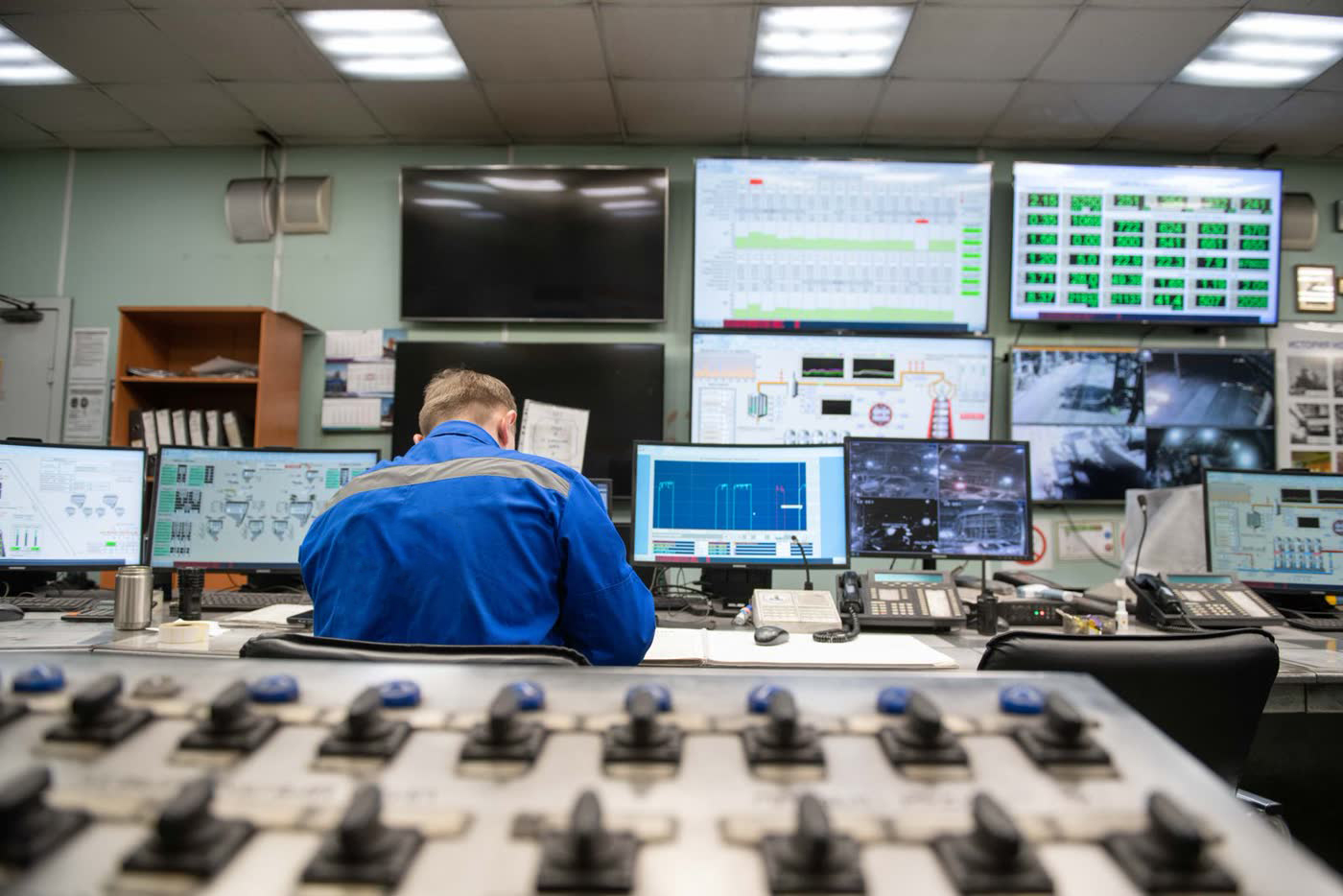
Most lines have capacity hiding in them: a station that gates the rest, a sequence with idle time baked in, a manual step that automation could absorb. Finding it takes data and a controls engineer who knows what to look for.
We study how your line actually runs, identify where time and output are being lost, and engineer the fix — whether that is a program change, a rebalanced line, or a new piece of automation.
Before you spend money, we tell you what the improvement is worth. Feasibility studies and ROI analysis give you a decision you can defend, not a sales pitch.
At a glance
- Cycle Time Reduction
- Throughput Optimization
- Line Balancing
- Automation Feasibility Studies
- ROI Analysis
Process improvement services
Each item below is a service we deliver on its own or as part of a larger integration project.
Cycle Time Reduction
We break the cycle down step by step and remove the waiting, over-travel, and serial operations that do not need to be serial. The result is a faster cycle on the same machine, with the changes documented.
Throughput Optimization
We look at the whole line, not one station, to find where parts queue and where machines starve. Then we fix the constraint so more good parts come off the end of the line per shift.
Line Balancing
We redistribute work across stations and operators so no single step sets the pace for everyone else. Your line runs to a consistent takt instead of stopping and starting around a bottleneck.
Automation Feasibility Studies
We evaluate whether a process can be automated reliably, what it would take, and where the technical risks are. You get a straight answer before committing to a design or a budget.
ROI Analysis
We put numbers to the project: labor, scrap, throughput, and downtime against equipment and integration cost. You see the payback period and the assumptions behind it.
Measure, engineer, prove
We do not guess at improvements. Every recommendation is based on data from your line, and every change is measured after it is made so you know what it delivered.
Where it helps, we simulate the proposed change first, so you can see the effect on throughput before anyone touches the equipment.
- Baseline
We observe the line and collect cycle, downtime, and output data so improvements are measured against real numbers.
- Analyze
We identify the constraint, the lost time behind it, and the options for removing it — program, layout, staffing, or new automation.
- Recommend
We present the options with a feasibility assessment and ROI for each, so you can choose based on cost and payback.
- Implement
We make the controls, layout, or equipment changes around your production schedule.
- Measure
We re-run the baseline measurement and report the actual gain against the projection.
Related solutions
 06
Simulation & Commissioning
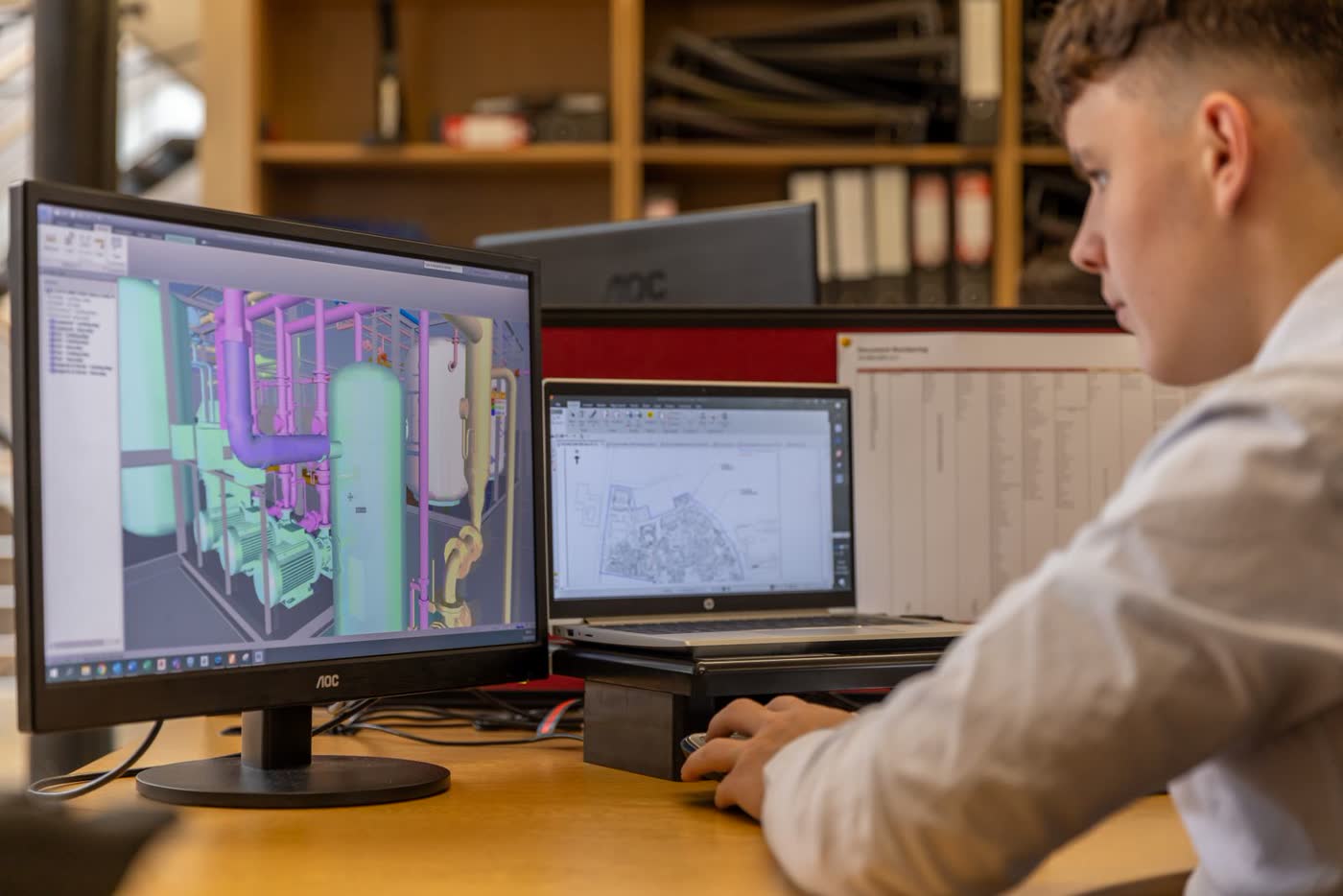
Offline robot programming, virtual commissioning, digital twin simulation, and FAT / SAT support.
Learn more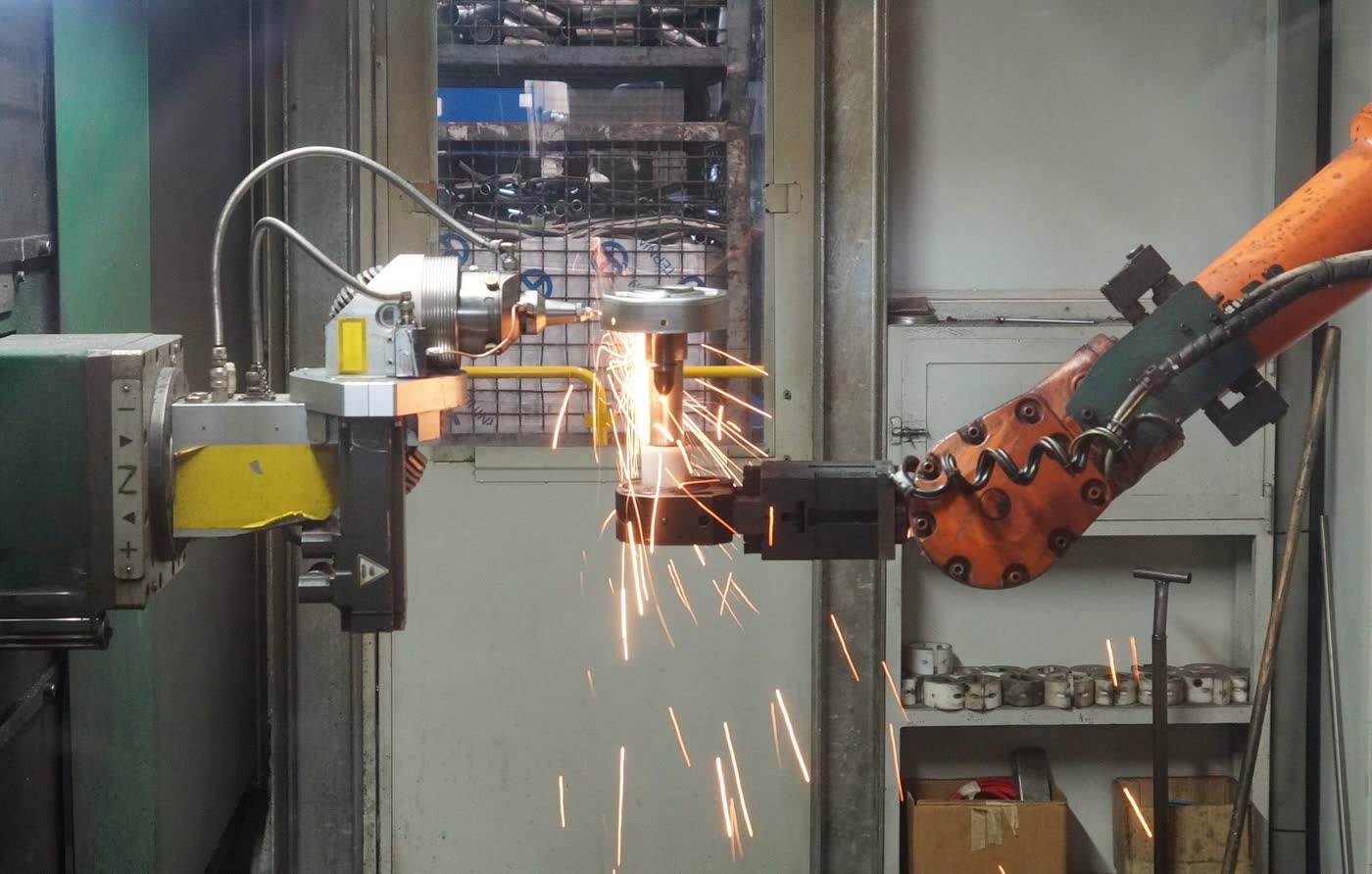 03
Systems & Applications
Robotic welding cells, assembly, material handling, conveyors, packaging and palletizing, vision inspection, and custom machinery.
Learn more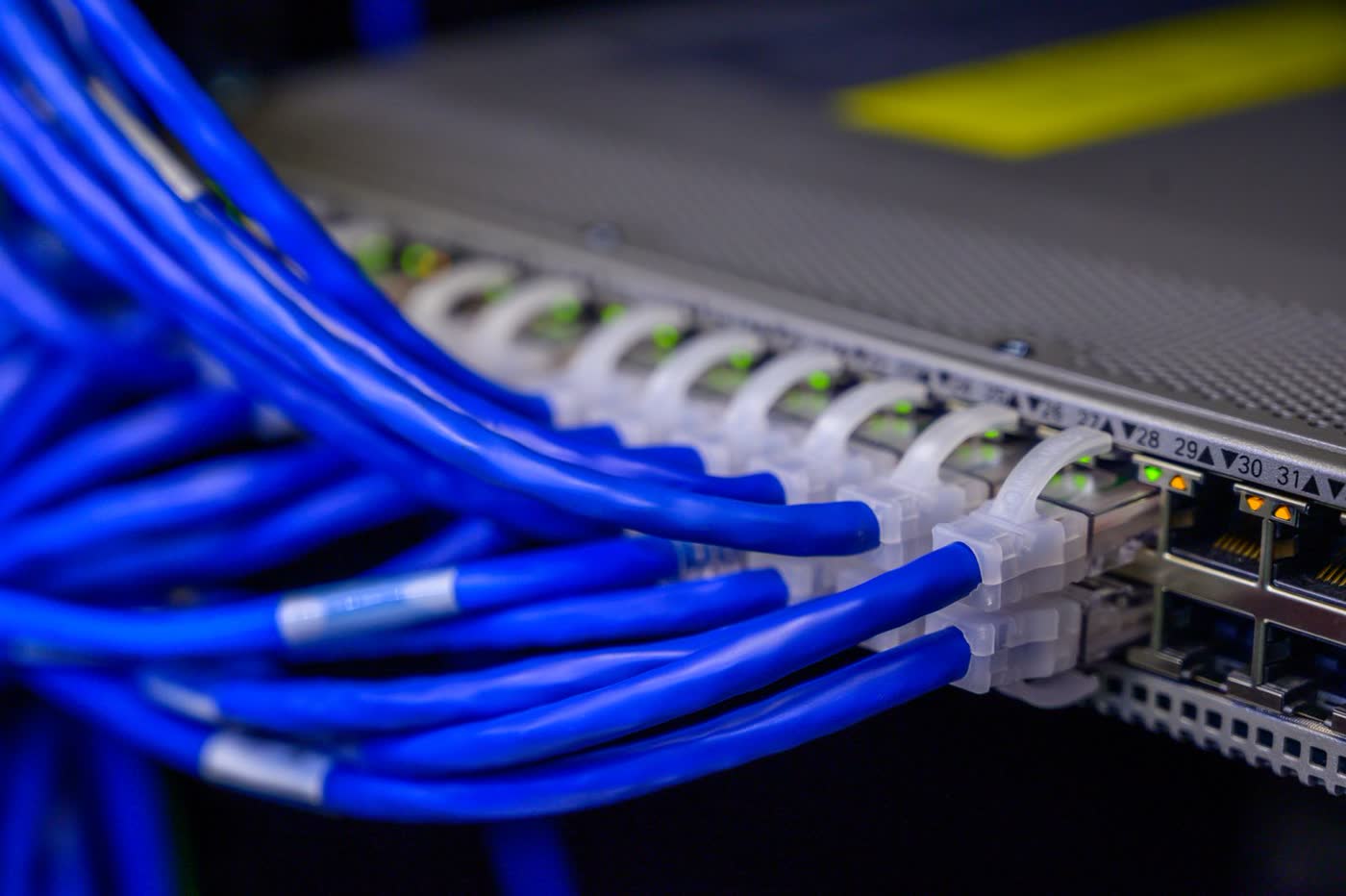 05
Industrial Networking & IIoT
Ethernet/IP, Profinet, Modbus, network architecture, secure remote access, OEE and downtime data, and cloud integration.
Learn moreReady to start your project?
Tell us what you're building, fixing, or improving. We'll respond fast.